I change how you think about your business.
Most revenue problems are structural. A misaligned go-to-market motion, reporting stack producing noise instead of signal, broken handoff between sales, marketing and operations teams. By the time leadership names the problem, the constraint has been growing for months, and the identified problem is usually wrong.
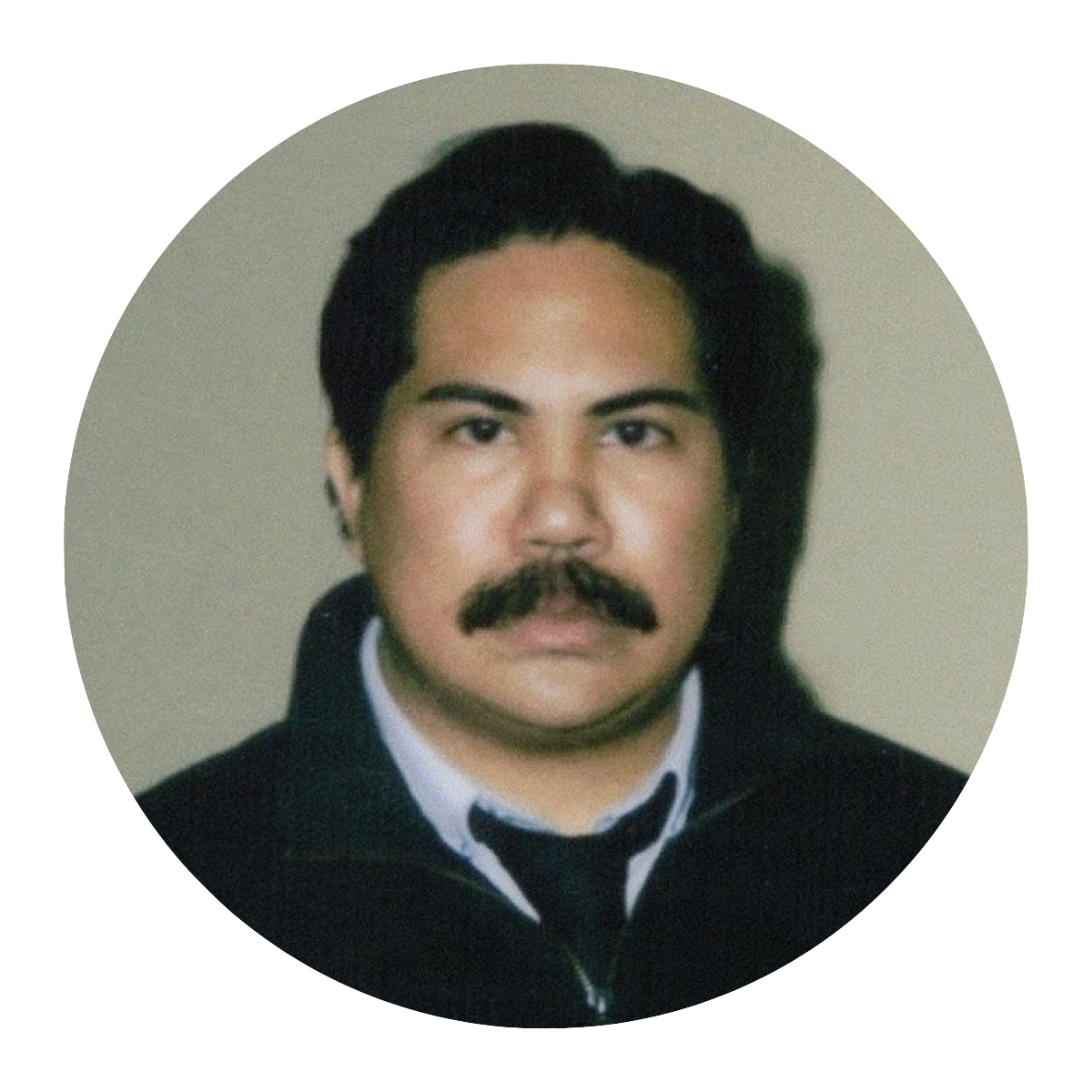
I’m Gemrick Curtom and I run a diagnostic-first consulting practice for founders and operators at or approaching $1M in revenue. The business diagnostic finds the root constraint before anything else gets built, and then the operational build addresses only that.
You've probably already tried to fix this.
Revenue is flat and nobody can explain exactly why. The explanations you get all sound partially right, which is how you know none of them is the answer.
You've bought tools that promised visibility and produced dashboards nobody trusts. Marketing points at lead volume. Sales points at lead quality. Both are looking at real numbers.
The cash flow problem that looks like a math problem keeps behaving like something else, because it is something else. Somewhere upstream, a sequencing decision made everything downstream harder, and nobody has traced it back to the origin.
If you've fixed the same problem more than once, the problem you're fixing has the wrong name. That renaming is what the diagnostic does.
Diagnose. Architect. Operate.
-
Fixed fee, 2–3 weeks
Two layers: your account of the business, and independent external evidence. The gap between them is where the finding lives. Ends with your primary constraint named in a Strategic Findings Report.
-
Scoped by the diagnostic, 60-90 days
The infrastructure build that closes the named constraint. Attribution, funnel architecture, CRM and reporting, paid channels, whichever the findings warrant. Ownership transfers with the build, documented down to the why.
-
Ongoing
The strategic layer, retained. Constraints move as businesses evolve; this is the function that catches the next one before it compounds.
You can stop after any phase. You can't skip one.
Full Engagement, Phase by Phase →
The build is designed to outlive the engagement.
Every system I build transfers with its reasoning documented, including the what & why behind each architectural decision. I've watched infrastructure revert the day the person holding its logic walked out the door. This engagement is structured so that can't happen: you keep the systems, documentation, and ability to run them without me.
That's the difference between hiring execution and hiring a practice. Execution leaves deliverables behind. A practice leaves capability.
The first conversation is the first pass of the diagnostic.
30 minutes to discuss the state of your business. You'll leave with at least one constraint named, whether or not we work together.